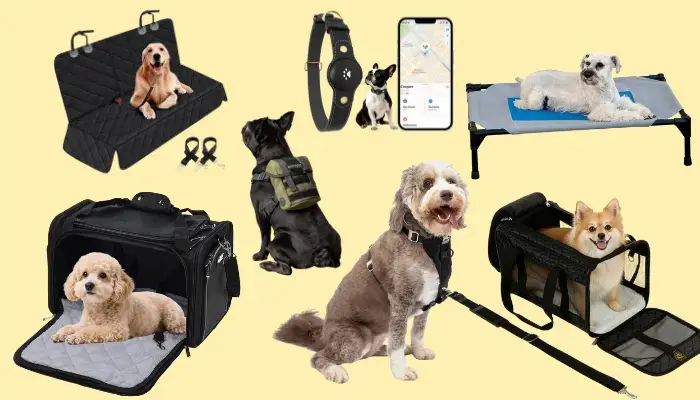

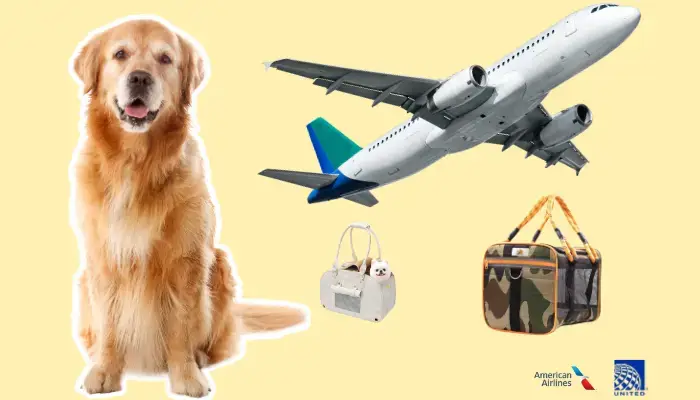
Traveling with your furry friend can be both exciting and stressful, especially if it’s your first time flying together. Whether you’re relocating, going on vacation, or visiting family, understanding how to fly with a dog safely and comfortably is essential. Airlines have specific pet travel policies, and preparing your dog in advance can make the experience smooth for both of you.
In this guide, we’ll cover everything you need to know — from airline rules to packing tips — so you can travel confidently with your dog by air.
1. Understanding Airline Pet Policies
Before booking your ticket, it’s essential to know how each airline handles pet travel. Airlines typically offer three options:
- In-Cabin Travel: Ideal for small dogs that fit in an airline-approved carrier under your seat.
- Checked Baggage: For medium-sized dogs traveling in the cargo area on the same flight.
- Cargo Shipment: For large dogs or routes that don’t allow pets in the cabin.
Each airline — such as Delta, United, and American Airlines — has its own set of rules regarding size, breed, carrier type, and fees. Always call the airline before booking to confirm requirements, as regulations can change frequently.
2. Is Your Dog Ready to Fly?
Flying can be stressful for pets, so it’s essential to evaluate whether your dog is healthy and calm enough to travel. Consider these factors:
- Size and breed: Some airlines restrict snub-nosed breeds such as Pugs and Bulldogs due to breathing issues.
- Age and health: Puppies under 8 weeks or senior dogs with medical conditions may not be ideal travelers.
- Temperament: Dogs that easily get anxious or aggressive in new environments might need extra preparation.
Before your flight, visit your veterinarian for a complete check-up and obtain a health certificate (often required within 10 days of travel).
3. Booking Your Flight: Timing and Seating Tips
To minimize stress for your dog, book nonstop flights whenever possible. Connecting flights can increase anxiety and risk of mishandling.
Choose flights during cooler parts of the day — early morning or late evening — to avoid heat exposure, especially for pets traveling in the cargo hold.
If your dog is flying in-cabin, request a window or aisle seat near the front to reduce movement and noise. Remember, airlines allow only a limited number of pets per flight, so reserve your dog’s spot early.
4. Preparing Your Dog for Air Travel
Preparation can make or break your pet’s travel experience. A few weeks before the trip:
- Let your dog get familiar with the carrier by leaving it open at home with treats and toys inside.
- Avoid feeding your dog 2–3 hours before departure to prevent motion sickness.
- Take your dog for a long walk before check-in to reduce energy and stress.
Dog Travel Essentials Checklist
- Airline-approved carrier
- Leash and harness
- Food and water bowls
- Blanket or small toy
- Waste bags and pee pads
- Health documents and ID tags
5. Choosing the Right Travel Carrier
The carrier is your dog’s safe space during the journey, so choose one that’s airline-approved and comfortable.
Key carrier features:
- Proper ventilation on all sides
- Leak-proof bottom with absorbent lining
- Secure door latch or zipper
- Enough room for your dog to stand, turn around, and lie down comfortably
Measure your dog from nose to tail and floor to shoulder to ensure the correct size.
Label the carrier with your contact details and add a “Live Animal” sticker for visibility.
6. At the Airport: Check-In and Security Procedures
Arrive at least 2 hours before domestic flight departure (3 hours for international flights).
At the check-in counter, present your dog’s health certificate and airline documentation. Security screening requires removing your dog from the carrier and carrying them through the scanner while the carrier is X-rayed.
Stay calm — dogs sense anxiety. Use a soothing voice, reward good behavior, and keep treats handy.
7. During the Flight: Keeping Your Dog Comfortable
Once onboard, place your dog’s carrier under the seat in front of you. Avoid opening the carrier mid-flight, as it can be unsafe.
Tips to keep your dog comfortable:
- Speak softly and offer reassurance throughout the flight.
- Avoid sedatives unless your vet prescribes them.
- Bring a chew toy or blanket that smells like home.
Keep the cabin area clean and respect other passengers by minimizing noise or movement.
8. After Landing: Post-Flight Care
When you land, check your dog’s behavior immediately. Offer water, a quick walk, and comfort. If your dog seems stressed or dehydrated, visit a nearby vet.
If you’ve traveled across time zones, help your dog adjust gradually to new feeding and sleeping schedules. Reward your pet with praise and playtime for being such a good traveler.
9. Additional Tips for International Pet Travel
Flying internationally with your dog requires extra preparation.
Here’s what to check:
- Vaccinations: Ensure your dog’s rabies shots are up to date.
- Pet Passport: Many countries require an official vaccination record.
- Quarantine rules: Some destinations, such as Australia and Japan, have strict quarantine requirements.
- Pet-friendly hotels: Book accommodations that welcome pets to avoid last-minute hassles.
Always review the destination country’s pet import regulations at least a month before your flight.
10. Common Mistakes to Avoid When Flying with Dogs
Even seasoned travelers make errors. Avoid these pitfalls:
- Forgetting to confirm airline pet requirements.
- Using a non-approved carrier.
- Overfeeding or giving too much water before takeoff.
- Skipping the pre-flight walk.
- Neglecting temperature changes during transit.
Preparation and awareness are key to a safe trip.
11. Conclusion: Plan for a Stress-Free Flight
Flying with a dog doesn’t have to be complicated. With the proper preparation — from understanding airline policies to choosing a suitable carrier — your journey can be comfortable and stress-free. Always keep your dog’s comfort and safety as the top priority, and plan every step ahead of time.
A little organization goes a long way toward making air travel enjoyable for both you and your four-legged friend.
Final Tip:
If your dog is anxious about flying, practice short carrier sessions at home before the trip. The more familiar they are with their travel crate, the calmer they’ll be during the flight.
Frequently Asked Questions
1. Can my dog sit on my lap during the flight?
No. Airlines require dogs to stay inside their carriers under the seat during the flight for safety reasons.
2. How much does it cost to fly with a dog?
Fees typically range from $95 to $200 each way for in-cabin pets, depending on the airline.
3. What documents do I need to travel with my pet?
You’ll need a health certificate, proof of vaccinations, and sometimes an import permit for international travel.
4. Is flying safe for small or senior dogs?
Yes, but always consult your vet beforehand. Small dogs usually travel safely in the cabin, while older pets may need special care.
5. How early should I arrive at the airport with my dog?
Arrive at least 2 hours early to complete check-in and allow your dog to relax before boarding.